Simon Busse Studio
Deutsches Literaturarchiv Marbach, Rilkes Welten

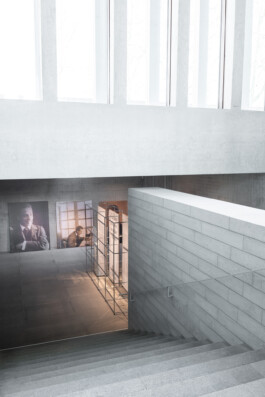
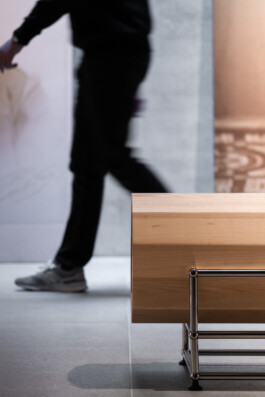
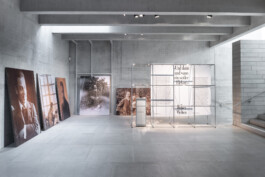
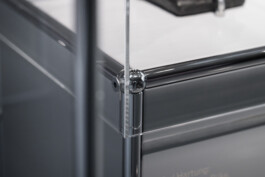
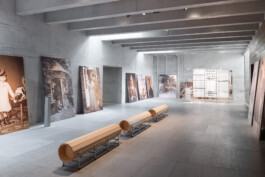
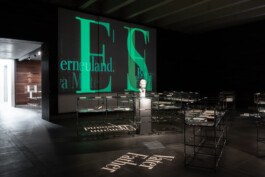
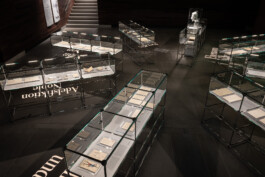
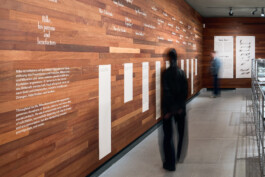
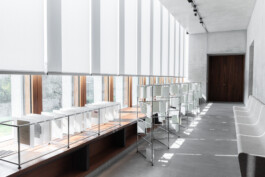
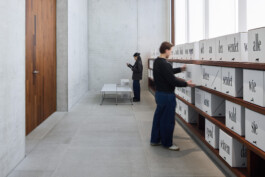
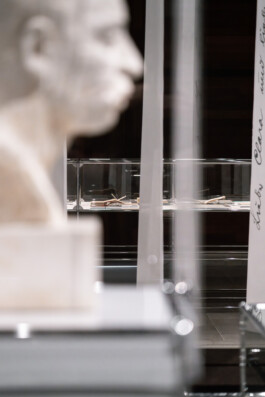
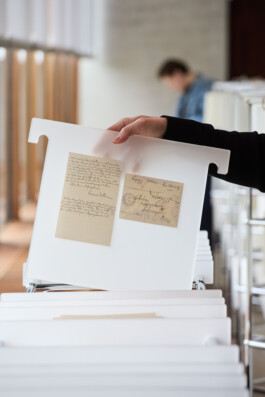
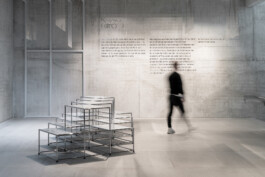
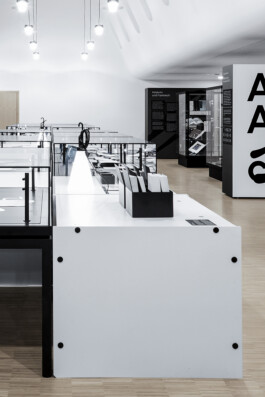
The special exhibition on Rainer Maria Rilke at the Literaturmuseum der Moderne in Marbach translates central themes of his work into a spatial narrative. The scenography guides visitors through different atmospheres that bring nature, movement, memory, and reflection to life, staging the exhibition tour as a cohesive spatial narrative.
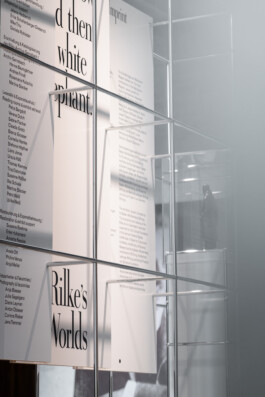
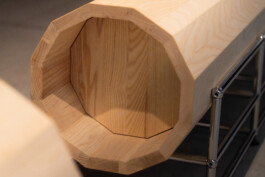
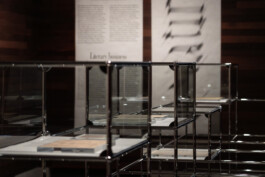
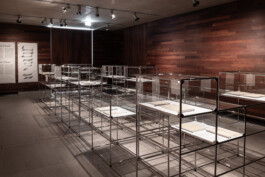
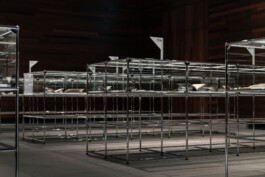
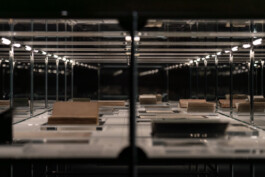
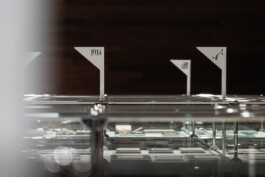
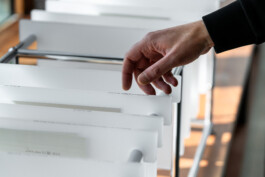
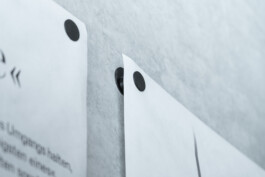
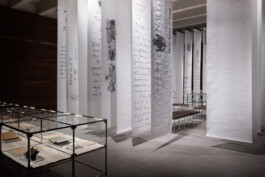
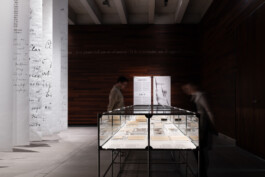
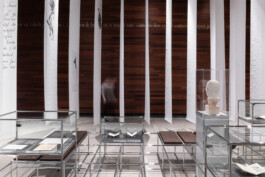
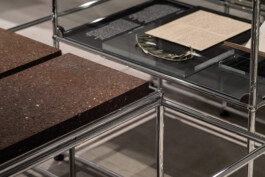
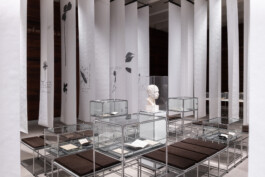
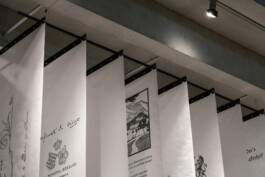
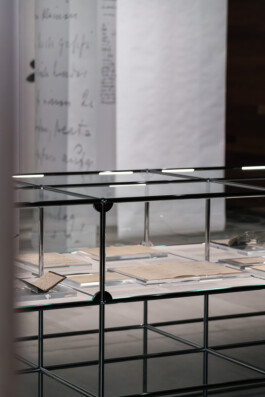
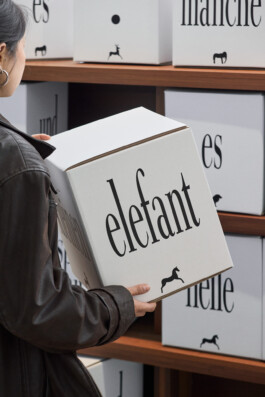
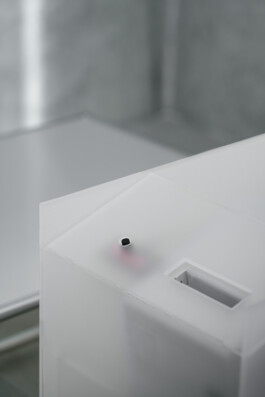
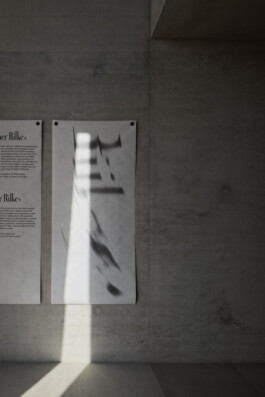
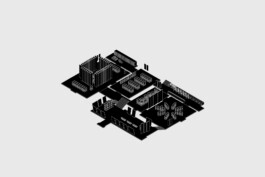
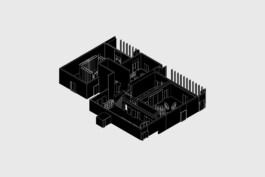
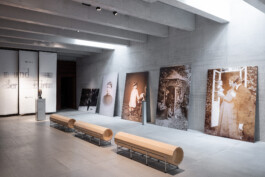
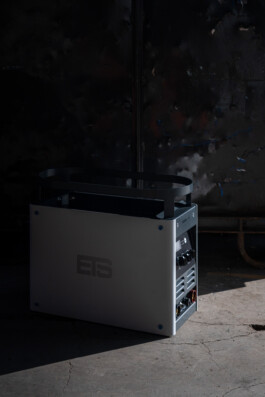
The collaborative project by L2M3 and Simon Busse Studio developed a multi-layered spatial design for this purpose. The exhibition begins with a space dominated by tree trunks, which serves as a place of tranquility and arrival, evoking Rilke’s close connection to nature. As the exhibition progresses, projections whose movement follows the path of the sun create a dynamic spatial effect. A spatial grid structures the exhibition’s various thematic areas and provides orientation within its diverse content. Mounted flags connect individual chapters and highlight thematic connections. AI-generated texts, printed on demand by a printer at visitors’ request, expand the dialogue between historical works and contemporary technology. The exhibition concludes with a retreat made of large-format paper panels, which atmospherically intensifies the themes of nature and transience and, through carefully designed sightlines, reinterprets the relationship between the space, the exhibits, and the visitor.


Simon Busse Studio
Deutsches Literaturarchiv Marbach, Rilkes Welten
The special exhibition on Rainer Maria Rilke at the Literaturmuseum der Moderne in Marbach translates central themes of his work into a spatial narrative. The scenography guides visitors through different atmospheres that bring nature, movement, memory, and reflection to life, staging the exhibition tour as a cohesive spatial narrative.
The collaborative project by L2M3 and Simon Busse Studio developed a multi-layered spatial design for this purpose. The exhibition begins with a space dominated by tree trunks, which serves as a place of tranquility and arrival, evoking Rilke’s close connection to nature. As the exhibition progresses, projections whose movement follows the path of the sun create a dynamic spatial effect. A spatial grid structures the exhibition’s various thematic areas and provides orientation within its diverse content. Mounted flags connect individual chapters and highlight thematic connections. AI-generated texts, printed on demand by a printer at visitors’ request, expand the dialogue between historical works and contemporary technology. The exhibition concludes with a retreat made of large-format paper panels, which atmospherically intensifies the themes of nature and transience and, through carefully designed sightlines, reinterprets the relationship between the space, the exhibits, and the visitor.


Simon Busse Studio
Forststr. 146-1
70193 Stuttgart
Germany
T +49 (0) 711 32063641
M info@simon-busse.com
Instagram
Linkedin


Simon Busse Studio
Forststr. 146-1
70193 Stuttgart
Germany
T +49 (0) 711 32063641
M info@simon-busse.com
Instagram
Linkedin
Simon Busse Studio
Forststr. 146-1
70193 Stuttgart
Germany
T +49 (0) 711 32063641
M info@simon-busse.com
Instagram
Linkedin
Simon Busse Studio
Forststr. 146-1
70193 Stuttgart
Germany
T +49 (0) 711 32063641
M info@simon-busse.com
Instagram
Linkedin